01 / Premise
A clever solution needs a real problem. Ask who needs it and what they already do instead.
From bright premise to expensive lesson: five pressure points that turn a promising idea into a museum exhibit.
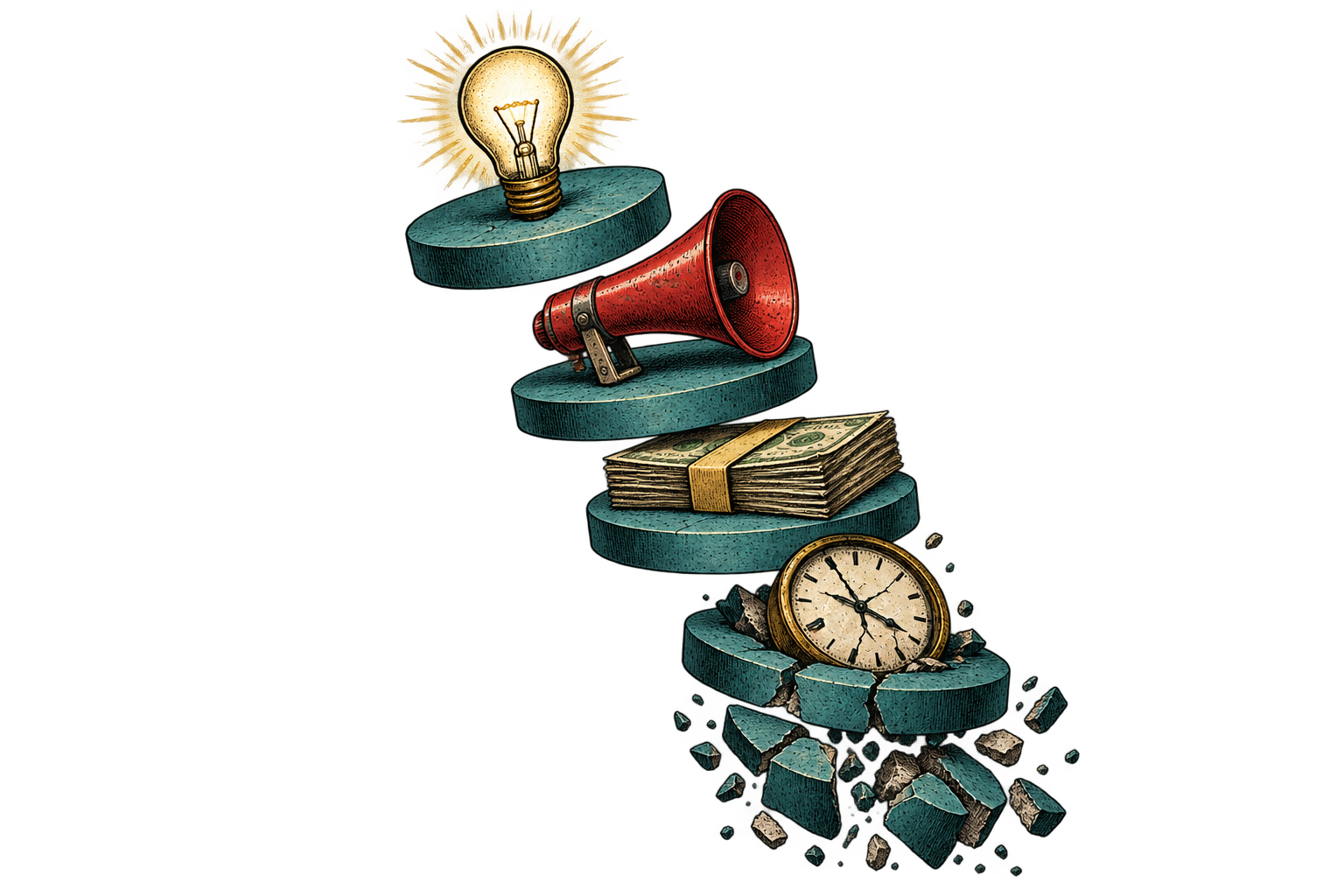
People make assumptions, money follows the pitch, and the launch arrives before the difficult questions have been answered. This is an editorial lens for reading our exhibits, not a claim that every flop follows one identical script.
A clever solution needs a real problem. Ask who needs it and what they already do instead.
Attention starts behaving like proof. Press coverage can measure curiosity without measuring demand.
Investment raises the stakes. More spending cannot repair an assumption nobody tested.
Technology, price, habits and competition have to meet. Being early is still being early.
People deliver the verdict. Confusion, indifference or resistance exposes what the pitch left out.
Read the exhibits below to see different parts of the pattern: Juicero’s proposition, Quibi’s audience bet, Denver’s integration problem, Newton’s early ambition, and New Coke’s misunderstanding of attachment.
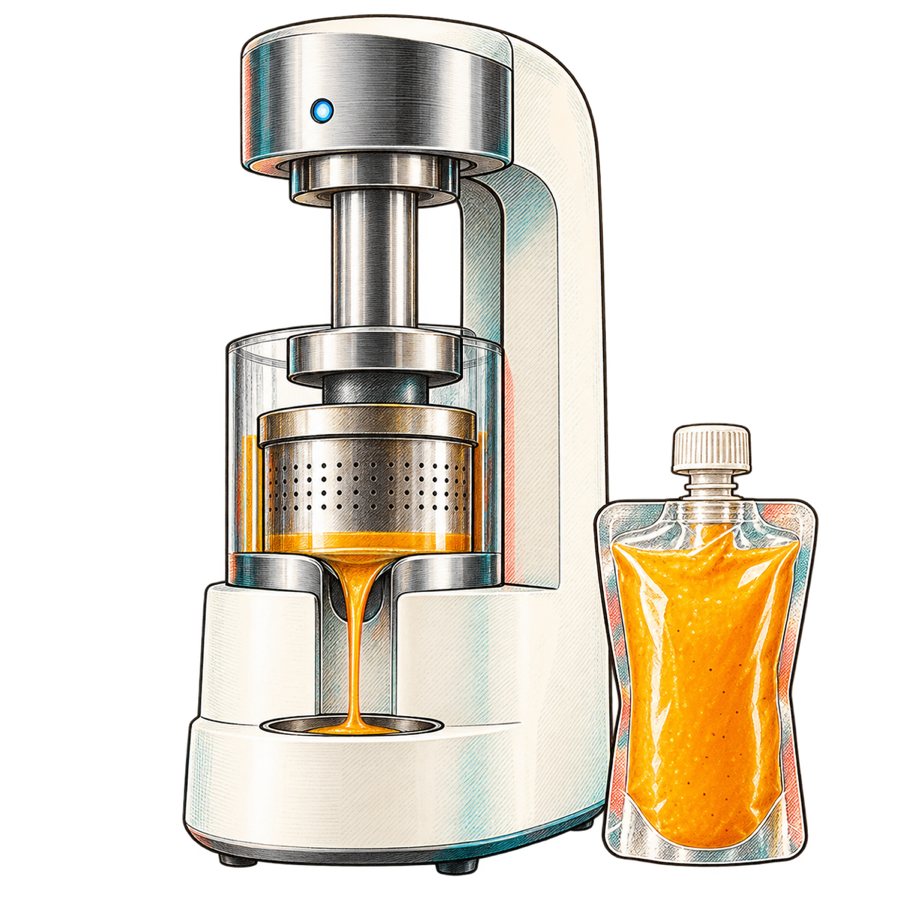
A Wi-Fi-connected countertop press built to squeeze proprietary bags of chopped produce. It originally sold for $699, later dropped to $400, and became immortal…
View exhibit →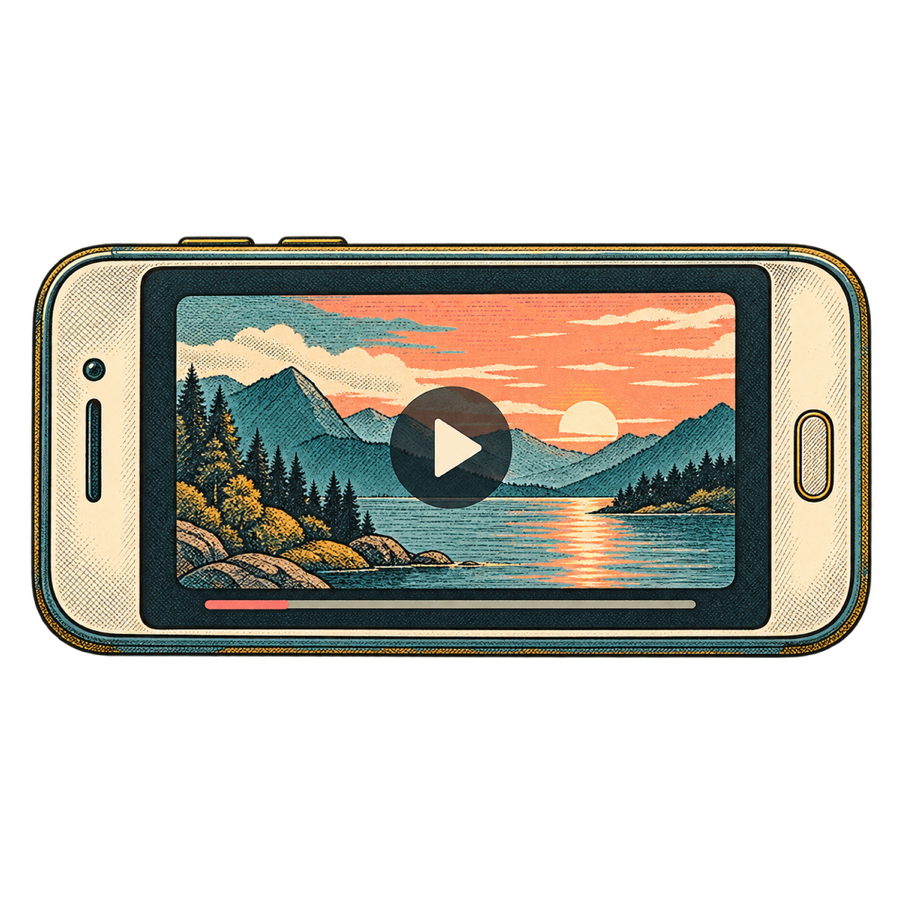
Quick bites. Quicker obituary.
View exhibit →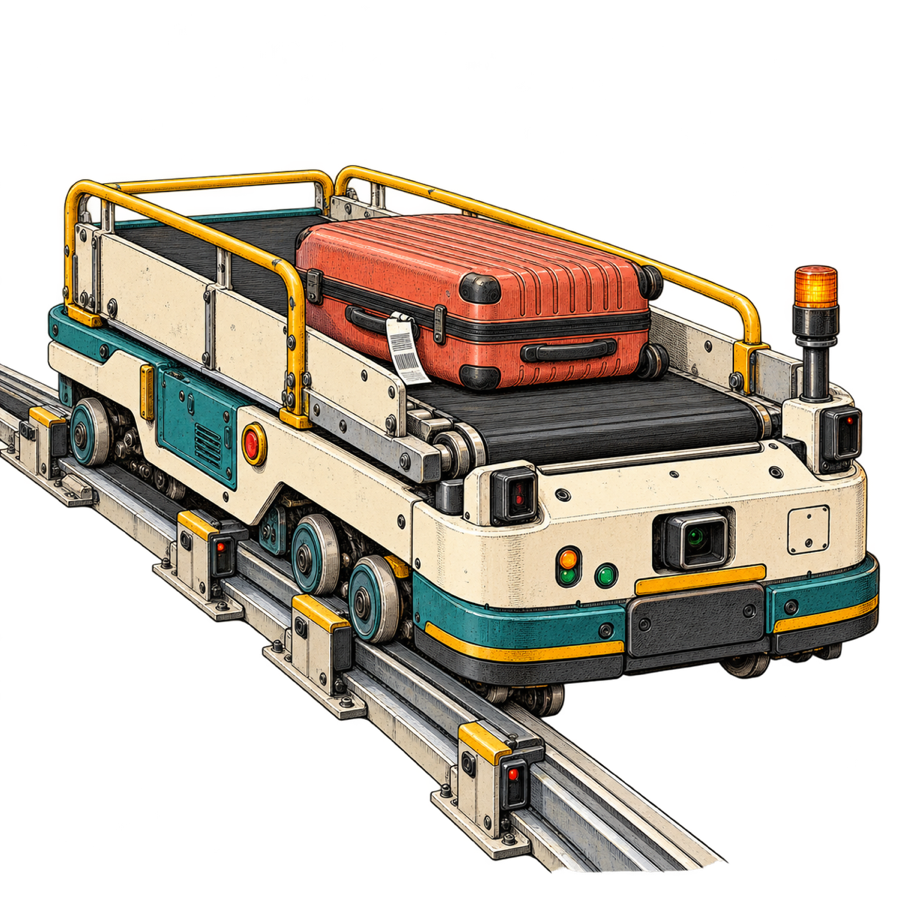
Future luggage system delayed an entire airport sixteen months, then required a backup luggage system.
View exhibit →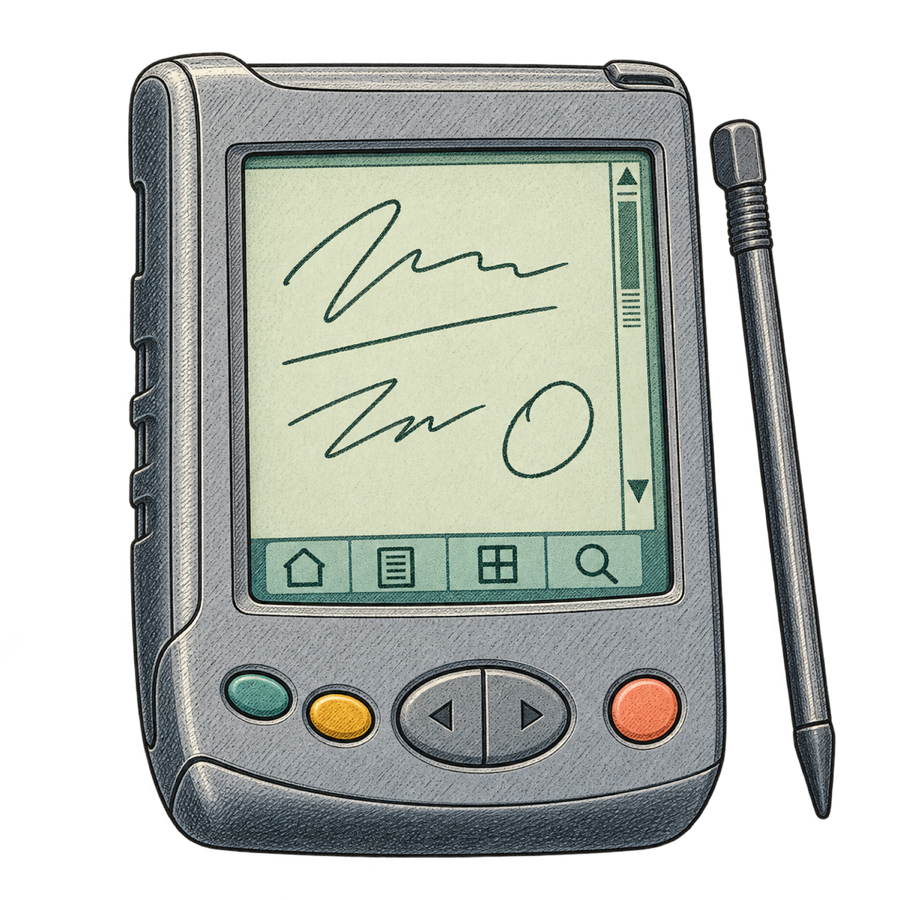
Apple released the Newton MessagePad in 1993 as a handheld assistant that could take notes, keep calendars, and recognize handwriting. It also cost $699…
View exhibit →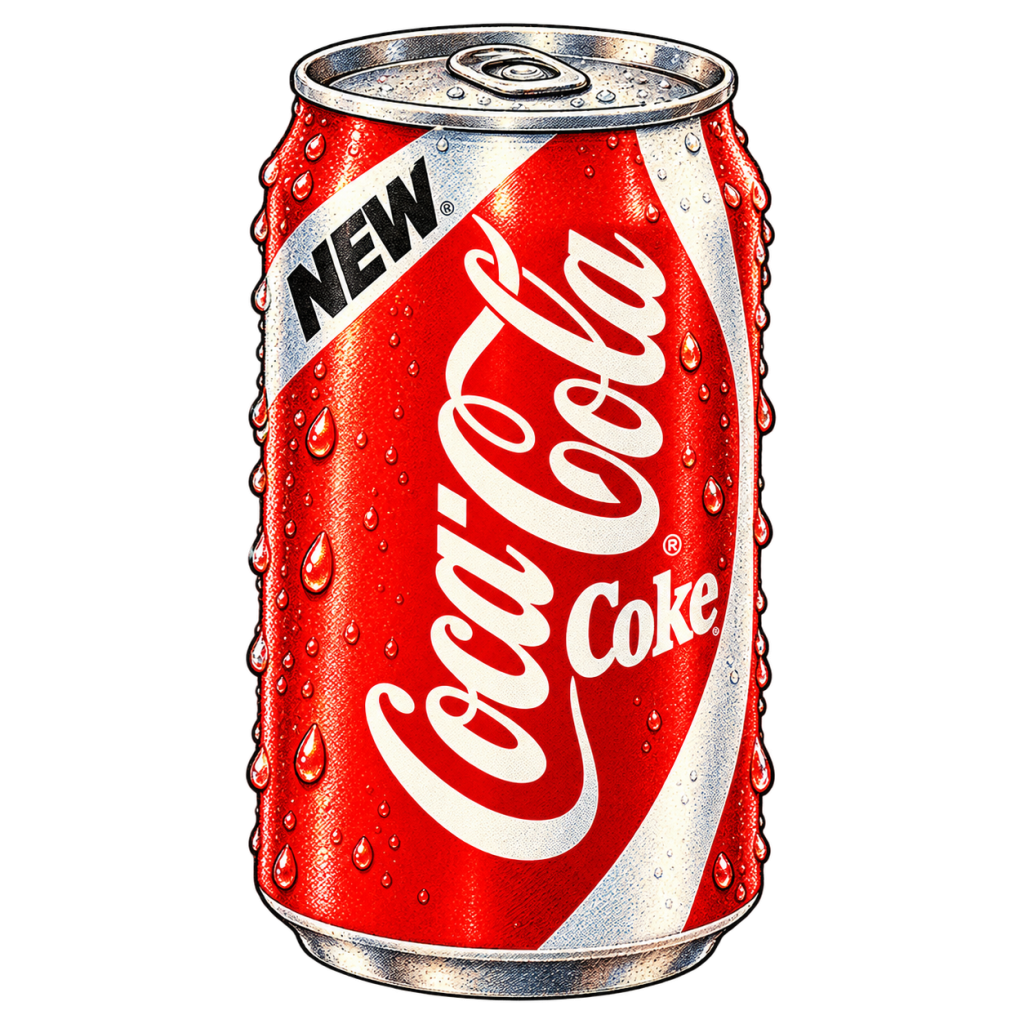
Research confirmed people liked the taste. The market confirmed they wanted Coke.
View exhibit →